First Aid Kit Checklist PDF: A Comprehensive Guide (Updated March 30‚ 2026)
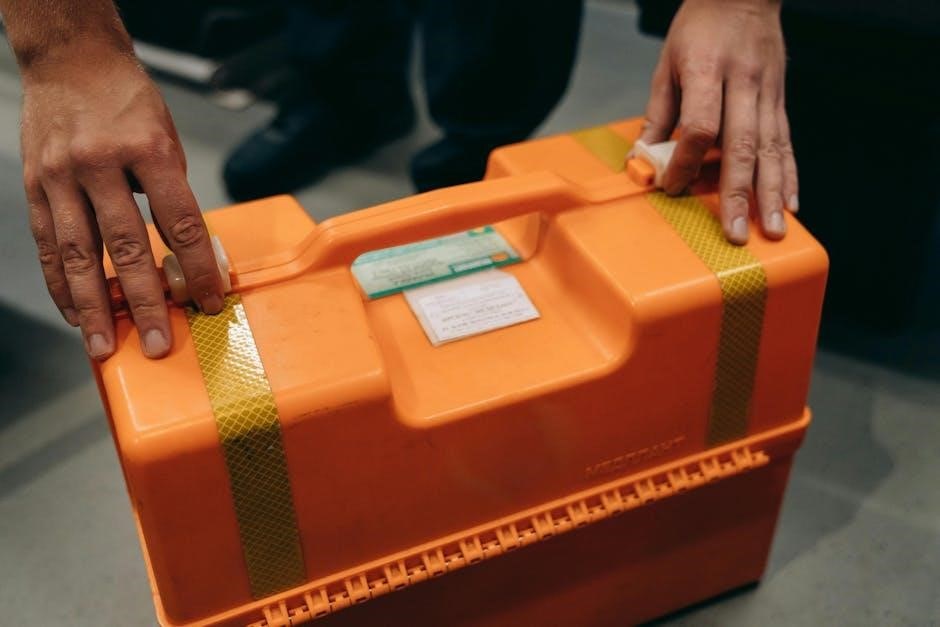
Preparing for the unexpected is crucial; a well-stocked first aid kit is essential for both home and travel‚ ranging from basic to comprehensive needs.
Life’s unpredictable nature demands preparedness. Accidents and injuries‚ though often minor‚ can occur anytime‚ anywhere. A readily available first aid kit empowers you to provide immediate care‚ potentially minimizing the severity of an injury and promoting faster healing.
From simple cuts and scrapes to more serious emergencies‚ having the right supplies on hand can make a significant difference. Don’t underestimate the value of being self-sufficient in those critical first moments before professional medical help arrives.
A first aid kit isn’t just about bandages; it’s about peace of mind‚ knowing you’re equipped to handle common medical situations effectively. It’s a vital component of responsible living‚ safeguarding your well-being and that of those around you.
Understanding Different Types of First Aid Kits
First aid kits aren’t one-size-fits-all; they’re tailored to specific needs and environments. Recognizing these distinctions is key to selecting the right kit for your circumstances. Basic kits typically address minor injuries – cuts‚ scrapes‚ and burns – with essentials like bandages and antiseptic wipes.
However‚ more comprehensive kits expand upon this foundation‚ incorporating items for more serious situations. Consider your typical activities and potential risks. A kit for a motorcyclist‚ for example‚ will differ greatly from one intended for a family home.
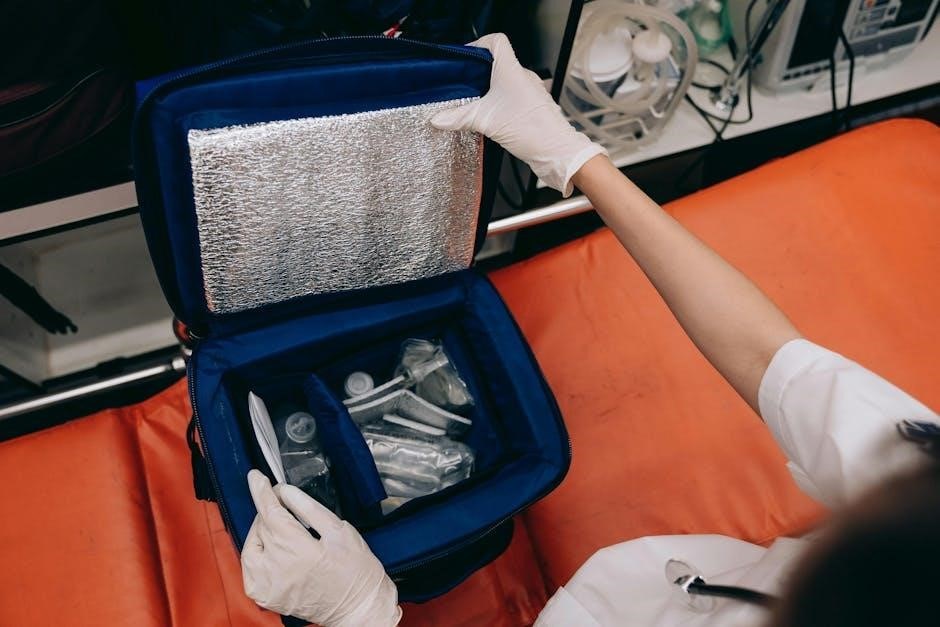
Understanding these variations ensures you’re adequately prepared‚ whether facing a roadside emergency or a household mishap. Choosing wisely provides the necessary tools for effective response.
Home First Aid Kits
A home first aid kit should address common household injuries. Focus on cuts‚ burns‚ sprains‚ and minor illnesses. Include ample adhesive bandages in various sizes‚ sterile gauze pads for wound dressing‚ and adhesive tape to secure them. Antiseptic wipes or solutions are vital for cleaning wounds‚ preventing infection.
Don’t forget pain relievers like ibuprofen or acetaminophen for discomfort‚ and antihistamines for allergic reactions. Consider adding burn cream for minor burns. A thermometer is essential for monitoring fevers.
Regularly check expiration dates and replenish used items. A well-maintained home kit provides peace of mind and immediate care when needed.
Car First Aid Kits
A car first aid kit needs to be compact and durable‚ prepared for roadside emergencies and potential injuries from accidents. Include the core essentials: adhesive bandages‚ sterile gauze‚ antiseptic wipes‚ and pain relievers. Prioritize items for controlling bleeding‚ like gauze and tape‚ as these are frequently needed.
Consider adding an emergency blanket to maintain body temperature in case of vehicle breakdown in cold weather. Scissors and tweezers are useful for removing debris from wounds. A small flashlight is also beneficial for visibility.
Regularly inspect your car kit‚ ensuring items haven’t expired or been used. Keep it accessible‚ not buried under luggage!
Travel First Aid Kits
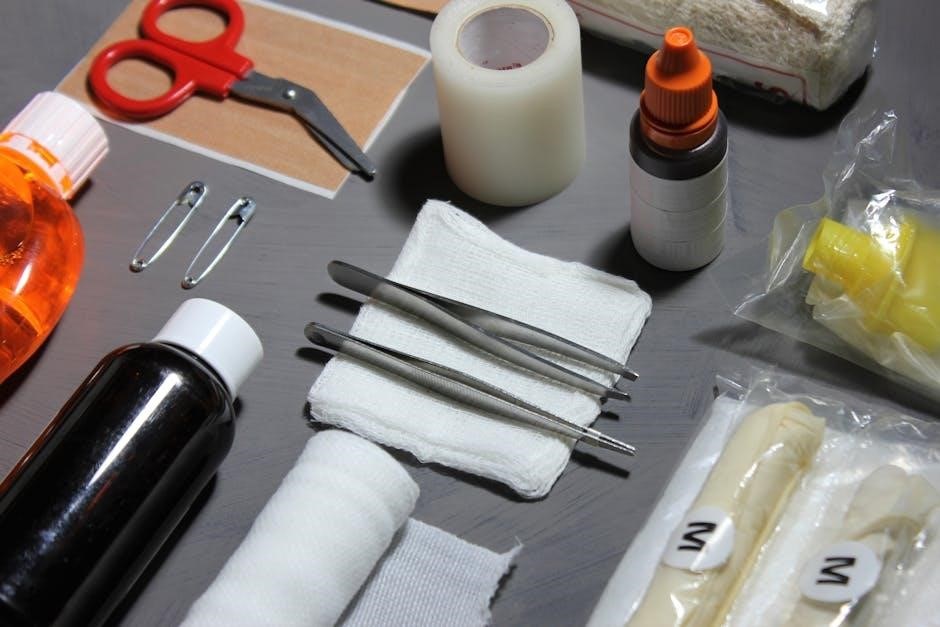
When traveling‚ your first aid kit should be portable and adaptable to various environments and potential mishaps. Beyond the core supplies – bandages‚ gauze‚ antiseptic – include medications for common travel ailments like diarrhea and allergies. Pack pain relievers for headaches or minor injuries sustained during activities.
Consider the destination; a kit for a remote hiking trip will differ from one for a city break. Insect repellent and blister treatment are vital for outdoor adventures. Don’t forget any personal medications!
A travel kit should be checked regularly for expired items and replenished as needed‚ ensuring you’re prepared for anything.
Workplace First Aid Kits
Workplace first aid kits must comply with safety regulations and address potential hazards specific to the work environment. These kits often require a more extensive range of supplies than home kits‚ catering to a larger number of people and potential injuries.
Essential components include bandages‚ gauze‚ antiseptic wipes‚ burn cream‚ and eye wash solution. Depending on the industry‚ specialized items like splints or respiratory protection may be necessary.
Regular inspection and restocking are crucial‚ with designated personnel responsible for maintaining the kit. Training employees in basic first aid and kit location is also vital for a safe workplace.
Essential Components: The Core Checklist
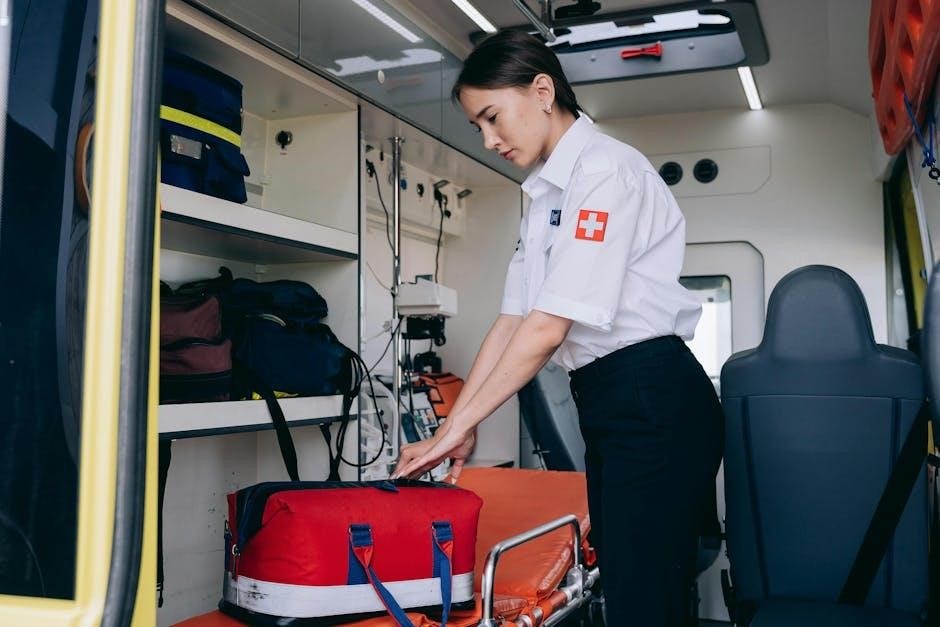
A fundamental kit prioritizes wound care‚ pain relief‚ and essential tools for immediate response to common injuries and unexpected health situations.
Wound Care Supplies
Effective wound management is paramount in any first aid situation. Your kit must include a variety of adhesive bandages in assorted sizes to cover minor cuts and scrapes‚ preventing infection and promoting healing.
Sterile gauze pads are essential for cleaning and dressing larger wounds‚ absorbing blood‚ and providing a protective barrier. Don’t forget strong adhesive tape to secure these dressings firmly in place.
Maintaining cleanliness is vital; antiseptic wipes or a suitable solution will help disinfect wounds‚ minimizing the risk of bacterial contamination. Finally‚ antibiotic ointment can be applied to prevent infection and aid in the healing process‚ offering an extra layer of protection for compromised skin.
Adhesive Bandages (Various Sizes)
Adhesive bandages are the cornerstone of minor wound care‚ offering immediate protection and facilitating healing. A comprehensive kit must contain a diverse assortment of sizes – from small‚ for fingertip cuts‚ to larger sizes for knees and elbows.
Consider including specialized shapes‚ like knuckle and butterfly closures‚ for hard-to-cover areas. Fabric bandages offer greater flexibility and durability compared to plastic‚ ideal for active individuals.
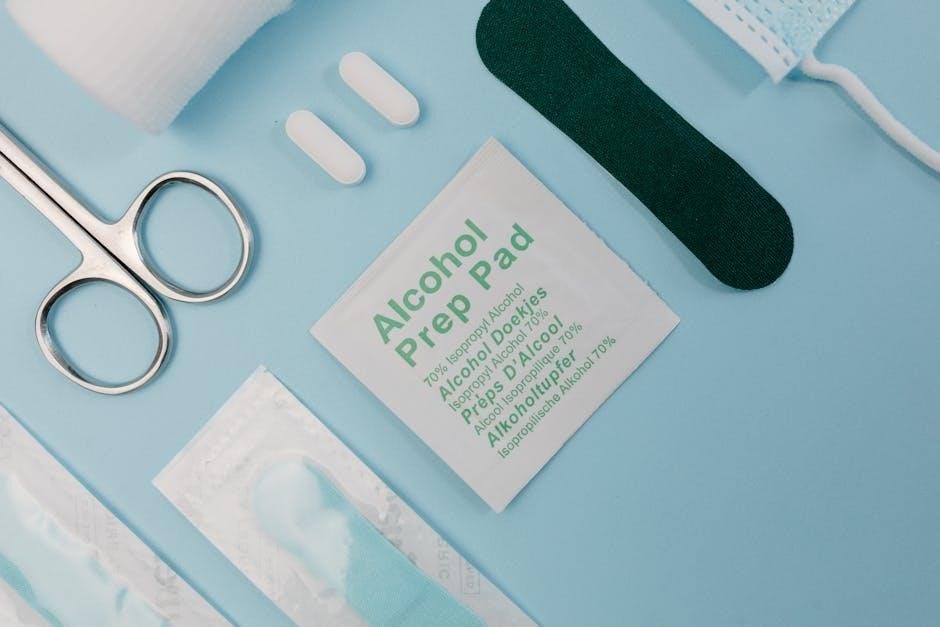
Waterproof or water-resistant options are beneficial for maintaining protection during handwashing or light exposure to moisture. Regularly check expiration dates and replenish supplies to ensure readiness when needed‚ as these are frequently used items.
Sterile Gauze Pads
Sterile gauze pads are indispensable for cleaning‚ covering‚ and protecting larger wounds‚ or for controlling bleeding. Your first aid kit should include multiple sizes – 2×2 inch‚ 4×4 inch are standard – and varying ply counts for different absorption needs.
Non-adhesive gauze pads are versatile‚ secured with tape‚ while adhesive gauze pads offer convenience. Consider including rolled gauze for wrapping injuries and creating improvised slings.
Maintaining sterility is paramount; ensure individual packaging remains intact until use. Regularly inspect for contamination and replace as needed; Gauze is a fundamental component for effective wound management.
Adhesive Tape
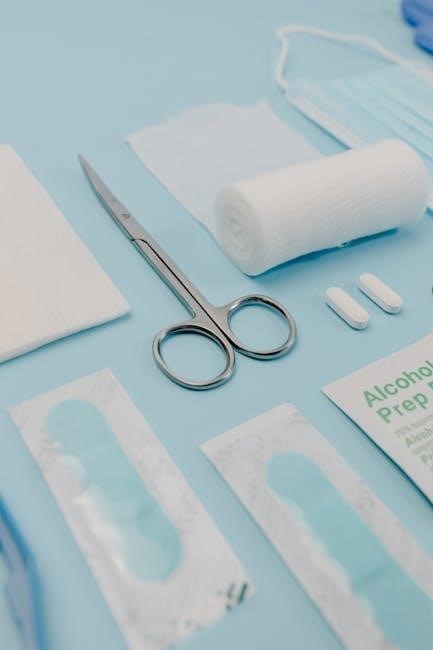
Adhesive tape is crucial for securing dressings‚ splints‚ and bandages‚ providing essential support and protection for injuries. A first aid kit should contain multiple rolls of different types – cloth‚ paper‚ and waterproof options are ideal. Cloth tape offers durability‚ while paper tape is gentler on sensitive skin.

Waterproof tape is vital for situations where dressings may get wet. Consider including medical tape specifically designed for skin‚ minimizing irritation. Ensure the tape is stored properly to maintain its adhesive qualities.
Proper application is key; avoid overly tight wrapping to maintain circulation.
Antiseptic Wipes/Solution
Maintaining cleanliness is paramount in preventing infection‚ making antiseptic wipes or solutions a non-negotiable component of any first aid kit. These are essential for cleaning wounds before bandaging‚ removing dirt and debris‚ and minimizing the risk of bacterial contamination.
Individually wrapped antiseptic wipes are convenient and maintain sterility. Solutions like povidone-iodine or chlorhexidine are also effective‚ but require a clean application method.
Always check for allergies before use. Proper wound cleaning significantly reduces the chance of complications and promotes faster healing.
Antibiotic Ointment
Applying antibiotic ointment to minor cuts and scrapes is a vital step in preventing infection and promoting healing. These ointments create a protective barrier‚ keeping out dirt and bacteria while maintaining a moist wound environment conducive to tissue repair.
Common options include bacitracin‚ neomycin‚ and polymyxin B‚ often found in combination products. However‚ be mindful of potential allergic reactions; some individuals may be sensitive to neomycin.
Apply a thin layer after cleaning the wound and before covering it with a bandage. Consistent use aids in faster recovery and minimizes scarring.
Medications & Pain Relief
Having appropriate medications readily available is crucial for managing pain and discomfort following minor injuries. Your first aid kit should include both pain relievers and medications addressing common ailments.
Over-the-counter options like ibuprofen and acetaminophen are essential for reducing fever and alleviating headaches or muscle aches. Antihistamines can combat allergic reactions from insect bites or stings‚ while anti-diarrheal medication provides relief during digestive upset.
Always check expiration dates and follow dosage instructions carefully. Consider individual allergies and medical conditions when selecting medications.
Pain Relievers (Ibuprofen‚ Acetaminophen)
Essential for managing discomfort‚ both ibuprofen and acetaminophen are vital components of any comprehensive first aid kit. Ibuprofen‚ a nonsteroidal anti-inflammatory drug (NSAID)‚ effectively reduces inflammation and alleviates pain associated with injuries like sprains or strains.
Acetaminophen‚ on the other hand‚ primarily targets pain and fever reduction. Having both options allows for versatile pain management based on the specific injury or ailment.
Ensure you include appropriate dosages for adults and children‚ and always check expiration dates. Store these medications in a cool‚ dry place‚ away from direct sunlight.
Antihistamines
Crucial for allergic reactions‚ antihistamines are a necessary inclusion in any well-prepared first aid kit. These medications work by blocking histamine‚ a chemical released by the body during an allergic response‚ effectively reducing symptoms like itching‚ swelling‚ and hives.
Both diphenhydramine (Benadryl) and non-drowsy options like loratadine (Claritin) are valuable to have on hand. Consider individual sensitivities and potential side effects when choosing which type to include.
Antihistamines can be life-saving in cases of severe allergic reactions‚ so ensure they are readily accessible and within their expiration date.
Anti-Diarrheal Medication
Gastrointestinal distress is common‚ especially during travel or when experiencing changes in diet‚ making anti-diarrheal medication a smart addition to your first aid kit. These medications help to slow down bowel movements‚ reducing the frequency and urgency of diarrhea.
Loperamide (Imodium) is a frequently recommended option‚ but always follow dosage instructions carefully. Staying hydrated is also paramount when dealing with diarrhea‚ so include oral rehydration salts.
Remember that anti-diarrheals only treat the symptoms; if diarrhea persists‚ seeking medical attention is crucial.
Tools & Equipment
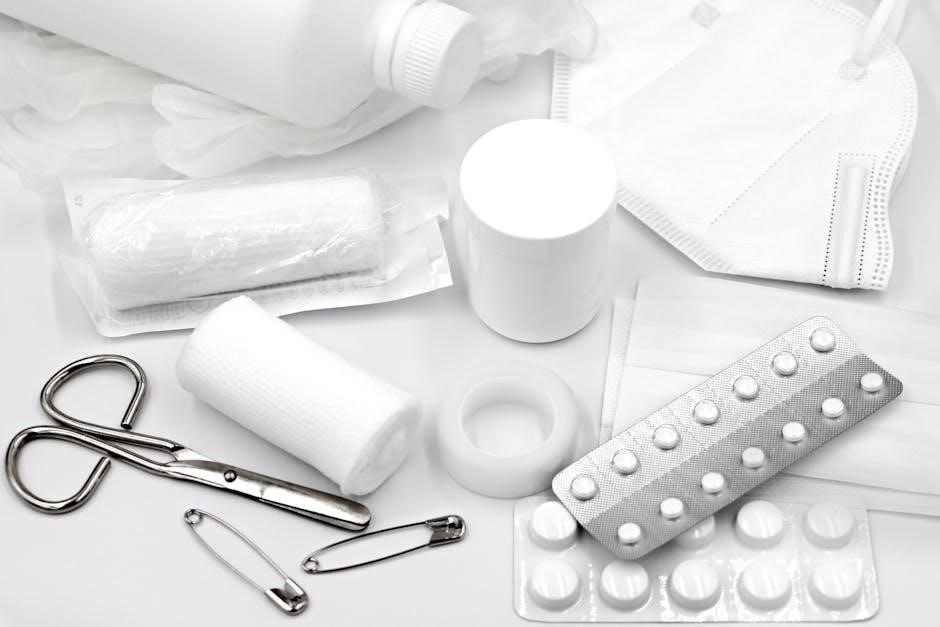
Beyond bandages and medications‚ essential tools and equipment amplify a first aid kit’s effectiveness. Sharp scissors are vital for cutting bandages‚ tape‚ or clothing‚ while tweezers assist in removing splinters or debris. Safety pins secure bandages and slings‚ offering versatile support.
An instant cold pack minimizes swelling and pain from injuries like sprains. A reliable thermometer is crucial for detecting fever‚ a sign of potential infection. These tools‚ though seemingly small‚ can make a significant difference in providing immediate care.
Scissors
A pair of sharp‚ durable scissors is a non-negotiable component of any comprehensive first aid kit. Their primary function involves precisely cutting bandages to the appropriate size for wound coverage‚ ensuring a secure and comfortable fit. Beyond bandages‚ scissors prove invaluable for carefully cutting away clothing to expose an injury for proper assessment and treatment.
Selecting the right scissors means opting for a design that offers control and precision. Blunt-tipped safety scissors are preferable to avoid accidental punctures during use‚ especially when working with children or in stressful situations.
Tweezers
High-quality tweezers are indispensable for removing splinters‚ thorns‚ or small debris embedded in the skin. Attempting to extract these foreign objects with fingers can introduce bacteria and exacerbate the injury‚ leading to infection. Tweezers allow for a sterile and precise removal process‚ minimizing trauma to the surrounding tissue.
When choosing tweezers for your kit‚ prioritize a fine point for enhanced accuracy. Ensure the tips align perfectly to grasp objects securely without crushing them. Stainless steel tweezers are recommended for their durability‚ resistance to corrosion‚ and ease of sterilization.
Safety Pins
Versatile and surprisingly useful‚ safety pins are a must-have in any comprehensive first aid kit. They serve multiple purposes beyond simply fastening clothing. They can be used to secure bandages‚ splints‚ or slings‚ providing temporary support for injuries. Additionally‚ safety pins can help to improvise solutions in emergency situations.
Choose a variety of sizes to accommodate different needs. Larger pins are suitable for securing bulky dressings‚ while smaller pins are ideal for delicate tasks. Ensure the pins are rust-resistant to maintain sterility and prevent irritation. A small container or designated pouch will keep them organized and readily accessible.
Instant Cold Pack
Essential for immediate injury care‚ instant cold packs provide rapid cooling to reduce swelling‚ pain‚ and inflammation. These are particularly useful for sprains‚ strains‚ bruises‚ and minor burns. Unlike traditional ice packs‚ they require no pre-freezing‚ making them ideal for on-the-go first aid.
Select packs that are single-use and activated by squeezing or shaking. Ensure they are non-toxic and safe for skin contact. Store them in a cool‚ dry place to maintain their effectiveness. Having an instant cold pack readily available can significantly improve comfort and promote faster healing in emergency situations.
Thermometer
A thermometer is a vital component for assessing body temperature‚ a key indicator of illness or infection. Including one in your first aid kit allows for early detection of fever‚ helping you determine if medical attention is needed. Digital thermometers are preferred for their accuracy and speed‚ offering readings within seconds.
Choose a thermometer suitable for all ages‚ and ensure it’s easy to clean and sanitize. Store it in a protective case to prevent damage. Regularly check the battery to guarantee functionality when required. Accurate temperature monitoring is crucial for informed decision-making regarding health and well-being.
Advanced Items for Comprehensive Kits
Elevate your preparedness with items like CPR masks‚ emergency blankets‚ burn cream‚ and non-latex gloves for enhanced safety and response capabilities.
CPR Mask
A CPR mask is a vital component for anyone trained in cardiopulmonary resuscitation. It provides a protective barrier during rescue breathing‚ minimizing the risk of disease transmission between the rescuer and the person needing assistance. These masks often include a one-way valve‚ ensuring that exhaled air only flows into the victim’s lungs.
Proper training is essential before using a CPR mask effectively. Knowing how to correctly position the mask and deliver breaths is crucial for successful resuscitation. Consider a mask with an oxygen port for supplemental oxygen administration if you are a trained professional. Regularly check the mask for any damage or defects to ensure its reliability in an emergency.
Having a CPR mask in your kit demonstrates a commitment to providing the highest level of care when seconds count.
Emergency Blanket
An emergency blanket‚ often made of reflective materials like Mylar‚ is a lightweight yet incredibly effective addition to any first aid kit. These blankets are designed to retain up to 90% of body heat‚ crucial for preventing and treating hypothermia in cold or wet conditions. They are compact and easily stored‚ taking up minimal space within the kit.
Beyond warmth‚ emergency blankets can also serve as a signaling device due to their reflective surface‚ increasing visibility to rescuers. They can also be used as a makeshift shelter or windbreak. Ensure the blanket is free from tears or punctures before storing it.
Including an emergency blanket demonstrates preparedness for a wide range of emergency scenarios.
Burn Cream
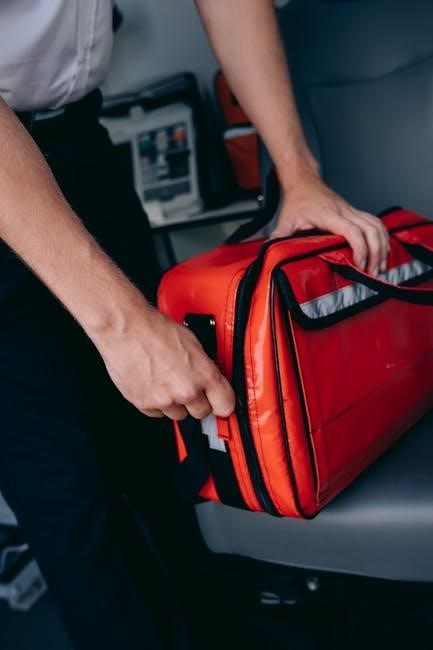
Burn cream is a vital component for addressing minor burns and scalds‚ offering soothing relief and promoting faster healing. Look for creams containing ingredients like aloe vera or lidocaine‚ known for their cooling and anesthetic properties. It’s important to select a burn cream appropriate for first and second-degree burns – more severe burns require immediate medical attention.
Proper application involves gently cleaning the burn area with cool water before applying a thin layer of cream. Avoid using oily or greasy substances‚ as they can trap heat. Burn cream helps to prevent infection and reduce pain‚ aiding in the recovery process.
Always check the expiration date to ensure potency.
Gloves (Non-Latex)
Non-latex gloves are absolutely essential for maintaining hygiene and preventing cross-contamination when administering first aid. Latex allergies are common‚ making non-latex options – like nitrile or vinyl – a safer choice for both the caregiver and the injured person. They create a barrier against bodily fluids‚ protecting against potential infection.
Having several pairs readily available ensures you can change gloves between treating different injuries or individuals. Proper glove use involves carefully donning and doffing to avoid self-contamination.
Include multiple sizes for a better fit and dexterity when providing care.